
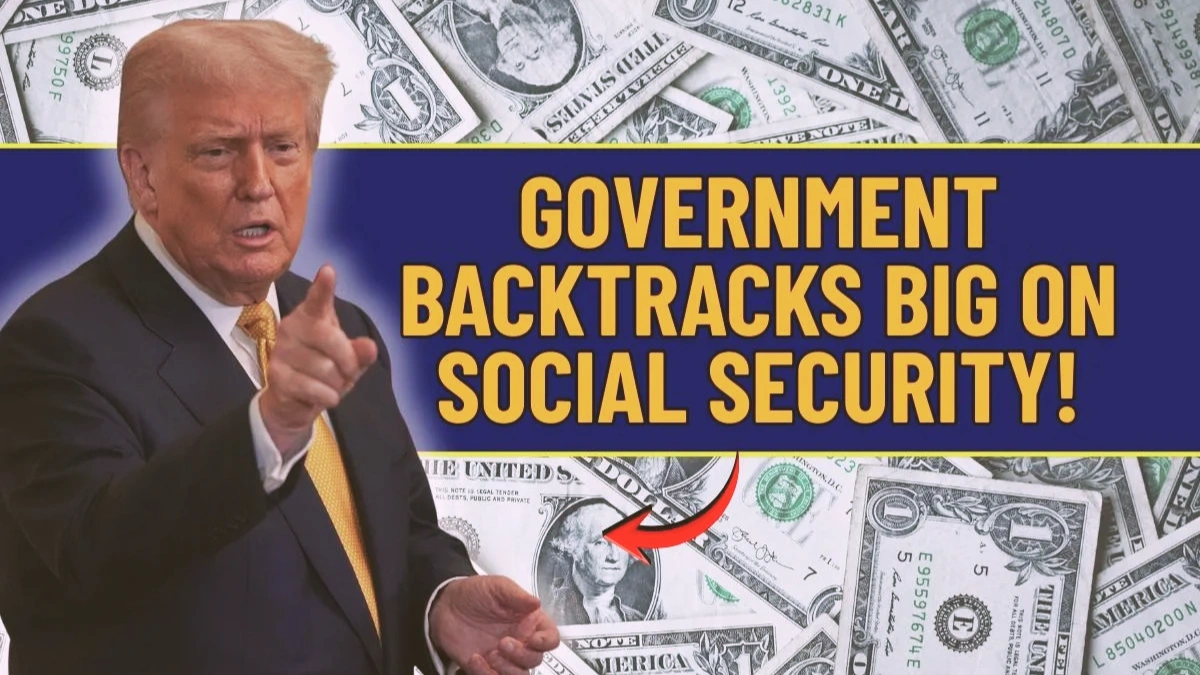
Government Reverses Course: For weeks, federal agencies signaled that Social Security paper checks were nearing their final phase-out, urging beneficiaries to switch to direct deposit before an approaching deadline. But after rising public concern, the government appears to be quietly backing away from its plan, giving millions of seniors and disability beneficiaries more time — and possibly keeping paper checks in circulation longer than expected.
Why the Push to End Paper Checks Sparked Nationwide Confusion
The original plan focused on transitioning all Social Security beneficiaries to direct deposit as part of a broader federal digital modernization effort. Officials argued that electronic payments are faster, safer and more cost-effective than mailing physical checks. However, many older Americans expressed frustration, noting that they rely on paper checks due to limited internet access, mobility issues or unfamiliarity with online banking.

Senior Advocacy Groups Pressured the Government to Reconsider
Organizations representing seniors and low-income retirees raised concerns that forcing millions into direct deposit could create unintended hardships. They warned that many rural residents do not have reliable digital access and that vulnerable seniors could become targets for scams during the transition. This pressure led federal agencies to slow the rollout and soften their stance on eliminating paper payments completely.
The “Final Deadline” Now Appears Flexible Rather Than Mandatory
Initially, officials described early 2025 as the cut-off for paper check distribution. But updated communications suggest the deadline may now be more of a recommendation than an enforced requirement. Several regional Social Security offices have already confirmed that paper checks will still be available for individuals who meet certain exceptions, especially those facing technological or financial barriers to digital banking.
Why the Federal Government Is Adopting a Softer Approach
Internal sources point to concerns about potential delays, misinformation and the sheer scale of shifting millions of beneficiaries at once. A gradual approach allows the government to modernize payment systems without disrupting essential monthly income. By keeping paper checks available, federal agencies reduce the risk of missed or delayed payments during the transition.
What Beneficiaries Should Do During the Transition Period
Beneficiaries do not need to rush to make changes unless they prefer the convenience of direct deposit. Those wanting to continue receiving paper checks can do so for now, but they should monitor official updates. Individuals interested in switching to direct deposit should use only official SSA channels to avoid scams pretending to offer “mandatory” updates. Paper checks remain valid, and no one should feel pressured by unofficial notices.

Conclusion:
Despite earlier warnings of a firm cut-off date, the government is now taking a slower and more flexible approach to ending Social Security paper checks. Millions of seniors can continue receiving physical checks while the transition to digital payments proceeds gradually. Staying informed through official Social Security channels remains essential as policymakers refine the timeline.
Disclaimer:
This article summarizes widely reported updates and public statements regarding Social Security payment changes. Policies may continue to evolve. Always refer to official Social Security Administration communications for the most accurate information.