
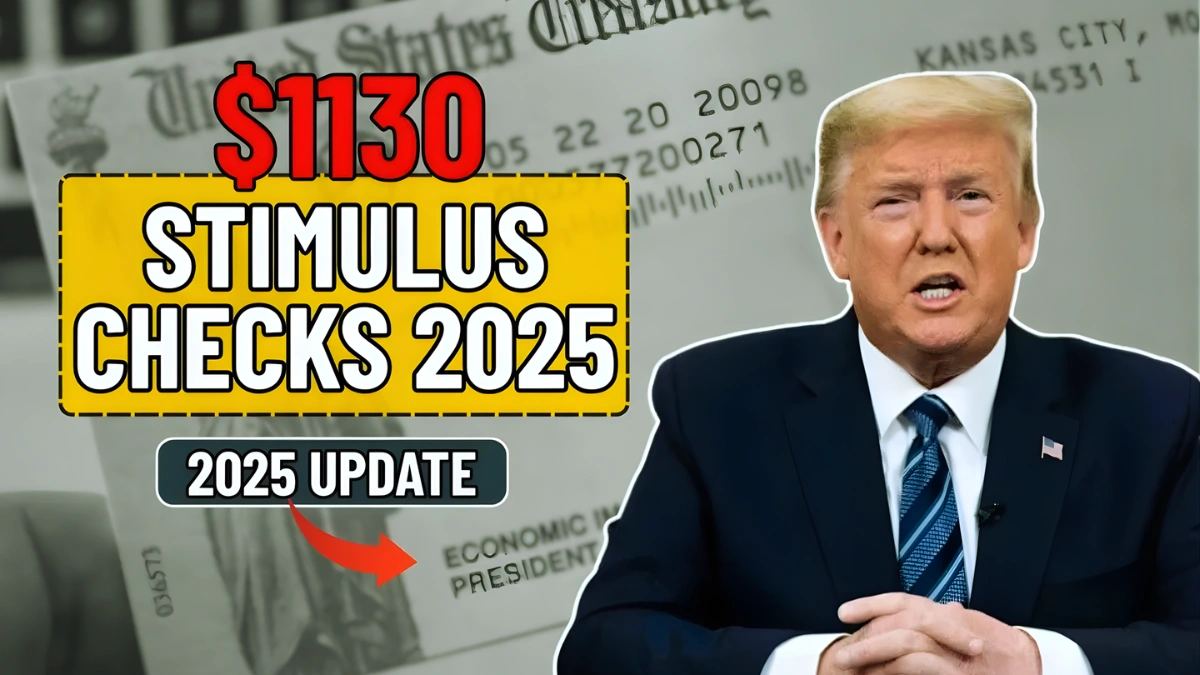
Relief Payment Update for 2025: A new wave of $1,130 stimulus-style relief payments is gaining widespread attention as federal agencies prepare updated support measures for 2025. These payments are designed to help low-income families, seniors, disability beneficiaries and individuals facing increased living costs. With economic pressure still affecting millions, many Americans are eager to understand how the payment works, who qualifies and when funds may be released.
Why the $1,130 Relief Payment Is Being Considered for 2025
Rising costs for groceries, housing, utilities and healthcare have placed considerable strain on households living on limited or fixed incomes. Federal analysts note that inflation effects are lingering into 2025, making extra support essential for vulnerable groups. The proposed $1,130 payment is part of a larger effort to stabilize family budgets, especially in states where cost-of-living increases have outpaced wage growth.

Eligibility Requirements Based on Income and Federal Program Status
While the payment is not universal, several groups are expected to qualify once eligibility reviews begin. Individuals enrolled in Social Security, SSI, SSDI, veterans programs or low-income tax credit programs may be considered if they meet income thresholds. Eligibility is generally based on prior tax filings, verified federal benefit records and household income levels. Most qualifying individuals will not need to apply, as federal systems automatically review existing data.
Expected Payment Timeline and How the $1,130 Will Be Distributed
The payment window is projected to open in phases throughout 2025, depending on final approval and budget allocation. Direct deposit will be the fastest method, with funds typically arriving first for those with verified bank accounts on file. Mailed checks or debit card payments may follow for beneficiaries without electronic banking. Officials plan to release a final date schedule after funding is confirmed, with the goal of completing payments within a defined multi-week period.
Why Some People May See Delays or Additional Verification Steps
Like previous relief disbursements, some individuals may experience slower processing. Delays often occur when banking information is outdated, tax documents contain errors or benefit records show mismatched personal details. Recent changes in income, marital status or address may also require extra verification. Ensuring accurate information through official federal portals can help reduce these delays.
What Beneficiaries Should Do to Prepare for the 2025 Relief Payment
Before the rollout begins, individuals are encouraged to confirm their personal information on IRS and Social Security accounts. Accurate routing numbers, current mailing addresses and updated identification details help ensure timely delivery. Beneficiaries should remain cautious of unofficial messages or scams that claim to offer early payments or charge fees for assistance. Only verified government channels should be used for updates.

Conclusion:
The $1,130 stimulus-style relief payment for 2025 offers important financial support for millions of eligible Americans. While final schedules are still being refined, the payment is expected to provide meaningful help to seniors, low-income families and disability beneficiaries struggling with higher living costs. Staying informed through official federal communications will ensure beneficiaries receive accurate updates and timely deposits.
Disclaimer:
This article summarizes publicly available information about proposed federal relief payments. The $1,130 payment is not guaranteed for all Americans and will be issued only to individuals who meet federal eligibility standards. Always check IRS or Social Security announcements for confirmed details.