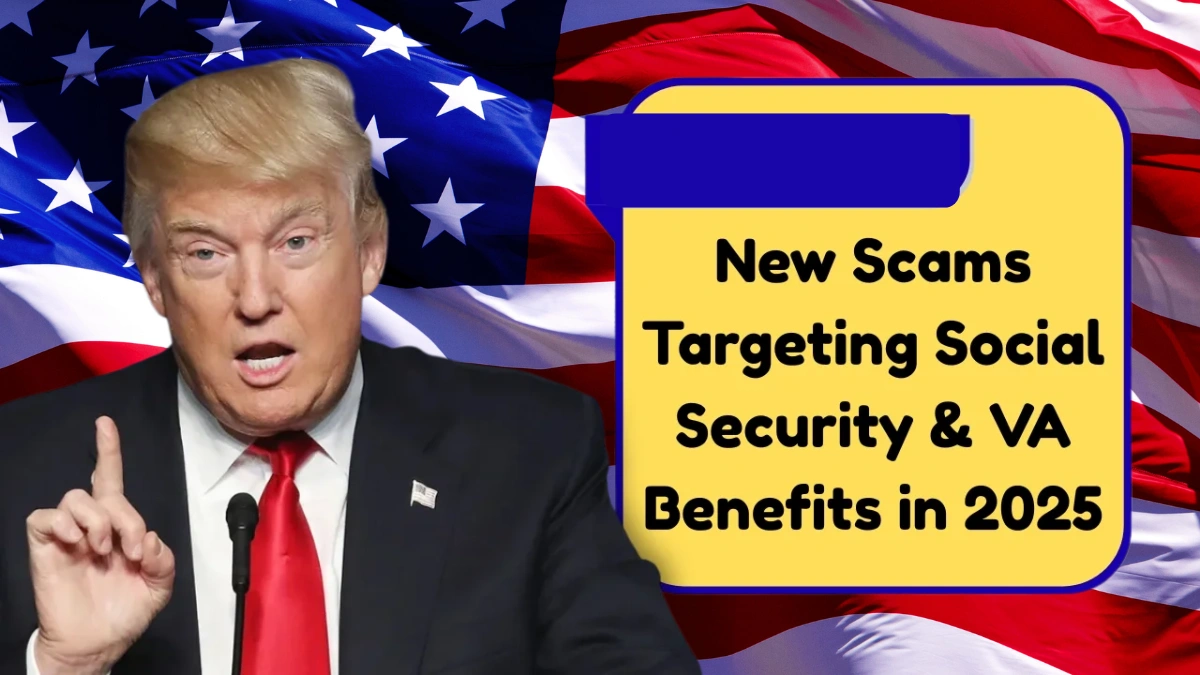
Scammers are aggressively targeting seniors, disabled veterans and benefit recipients as Social Security and VA systems undergo updates in 2025. With new payment schedules, increased benefits and expanded online portals, fraudsters are exploiting confusion to steal money, personal data and monthly benefits. Understanding these scams is the first step in staying protected.
The Most Common 2025 Scams Targeting Social Security and VA Recipients
Criminals are using more sophisticated tactics than ever before. In 2025, the most reported scams include impersonation calls, phishing messages, fake benefit updates and fraudulent redirects of monthly payments.
Impersonation Phone Calls
Scammers pretend to be from Social Security or the VA and claim:
- Your benefits are suspended
- Your account is under review
- You owe money and must “verify” your identity
They pressure victims to provide Social Security numbers, VA claim numbers or bank account information.
Fake Texts and Emails
Fraudsters send messages that look official, telling you to:

- “Confirm your account to avoid suspension”
- “Update your benefits before the new law takes effect”
- “Click here for your new Social Security or VA payment date”
These messages link to fake websites designed to steal personal information.
Fraudulent Benefit Redirection
One of the fastest-growing scams: criminals submit false paperwork to reroute your monthly check to a different bank account. Many victims don’t notice until their payment is missing.
Fake Cost-of-Living Adjustment (COLA) Notices
As COLA increases for 2025 roll out, scammers are creating fake announcements to lure victims into sharing personal details.
VA Disability Fraud
Veterans are receiving fake calls saying they:
- Qualify for a “new disability raise”
- Must pay a fee to access benefits
- Need to provide personal medical records for “verification”
No legitimate VA representative will ever request such information by phone or text.
Warning Signs of a Social Security or VA Scam
These scams often share the same red flags:
| Red Flag | What It Usually Means |
|---|---|
| Caller demands immediate payment | Scammer trying to pressure you |
| Threats of benefit suspension | Fake intimidation tactic |
| Requests for SSN, VA claim number or bank info | Identity theft attempt |
| Text/email links to unknown sites | Phishing scam |
| Unofficial tone or spelling errors | Fraudulent communication |
| Pressure to act “right now” | Scam urgency trick |
Knowing these signs makes it easier to shut down scammers instantly.
How to Protect Yourself From 2025 Scams
Never Share Personal Information
No Social Security or VA agent will demand:
- Social Security number
- Bank account details
- VA claim number
- Medicare number
- Payment over the phone
Use Official Portals Only
Social Security: Your mySocialSecurity account
VA: VA.gov account for all benefit updates
Avoid clicking links from messages—type the official website into your browser instead.

Enable Direct Deposit Alerts
Set up notifications with your bank so you know the moment a payment arrives or if an attempted change is made.
Freeze Your Credit
A free credit freeze helps prevent identity thieves from opening accounts in your name.
Report Suspicious Activity Immediately
If you suspect fraud:
- Contact Social Security Fraud Hotline
- Call the VA’s Identity Theft line
- Monitor your benefit accounts for changes
Acting quickly can prevent loss of benefits.
What to Do If Your Benefits Were Redirected
If your payment was stolen or rerouted:

- Report it to SSA or VA immediately
- Contact your bank to lock the account
- File an identity theft report
- Request a payment trace to recover funds
Authorities can often restore the payment once fraud is confirmed.
Why Scammers Are Targeting 2025 Updates
Changes in Social Security and VA benefits always create confusion. In 2025, updates to COLA, payment cycles, disability processing, and online account systems give scammers easy opportunities to pose as officials. Fraudsters know seniors and veterans expect changes—making them easier targets.
Conclusion: Scams targeting Social Security and VA benefits are growing rapidly in 2025, but staying informed is the strongest defense. By recognizing red flags, avoiding unsolicited contact and securing your online accounts, you can fully protect your monthly benefits from fraudsters attempting to exploit system changes.
Disclaimer: Details are for awareness purposes only and may vary based on official SSA and VA updates.