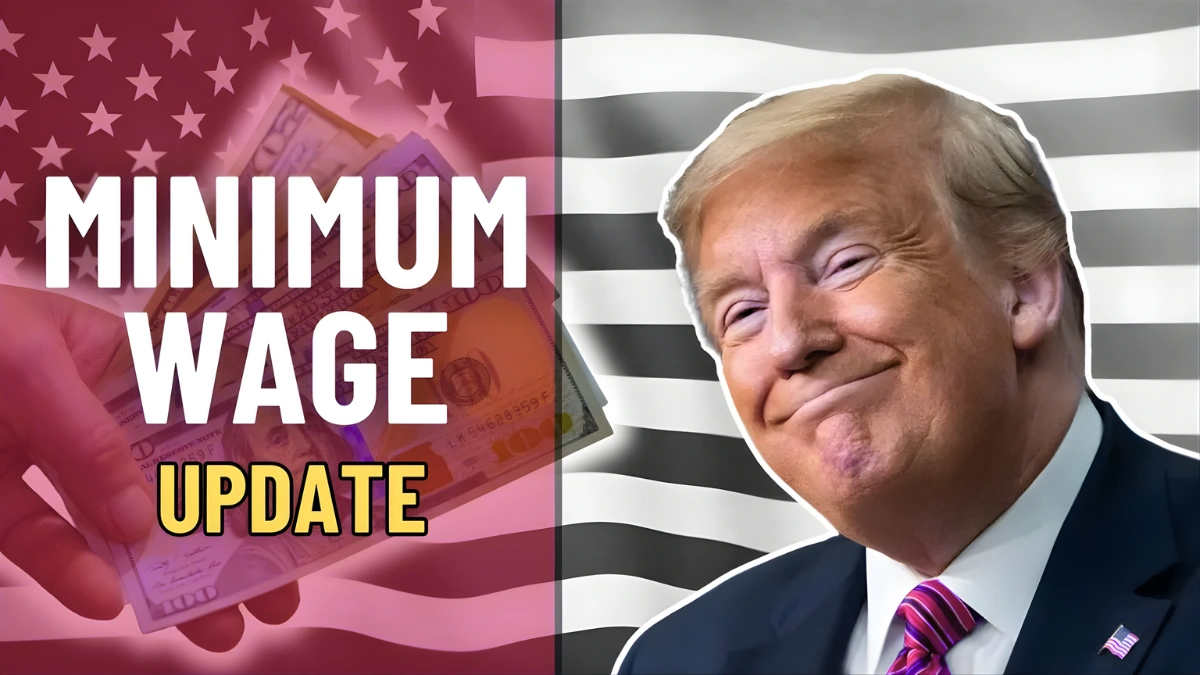
As 2025 begins, millions of workers across the United States are seeing changes to their minimum wage. With rising living costs and growing pressure from labor groups, several states and cities have approved higher pay rates. While the federal minimum wage remains unchanged, local increases will significantly affect workers in healthcare, retail, hospitality, food service and other hourly industries.
States Push Forward With Wage Hikes Despite No Federal Increase
The federal minimum wage has stayed at $7.25 per hour since 2009, but state governments have taken the lead on updating wages in response to inflation and higher living costs. Throughout 2025, multiple states are implementing new wage floors ranging from moderate increases to bold jumps toward $15 or more. These state-level decisions aim to boost worker earnings and help families struggling with rising rent, utilities and food prices.

Major Cities Introduce Their Own Higher Local Minimum Wage
While state laws control the base wage, dozens of cities and counties are moving ahead with even higher local wage standards. Urban areas with a high cost of living, such as those on the West Coast and in the Northeast, are adopting local minimum wages that exceed their state guidelines. These new rates are designed to give workers an income level that more closely reflects the cost of living in large metropolitan regions.
Workers in Specific Industries See Targeted Minimum Pay Adjustments
Some sectors are experiencing industry-based wage increases separate from general statewide rules. Healthcare workers, fast-food employees, and workers in large retail chains may see special wage floors mandated by new labor laws. These targeted adjustments are intended to address staffing shortages and ensure fair compensation in high-demand or essential job categories.
Why Employers Are Preparing for Higher Payroll Costs in 2025
Businesses across the country are adjusting budgets to meet new wage requirements. Employers are reviewing staffing needs, restructuring schedules and evaluating operational expenses to comply with the updated laws. While some small businesses express concerns about higher payroll costs, others see the increases as a necessary step toward retaining employees and improving stability in the workforce.
What Workers Should Do to Confirm Their New 2025 Minimum Wage
Workers are encouraged to check their state’s updated pay laws and verify that employers are meeting the newly approved wage levels. Reviewing the first pay cycles of the year, monitoring annual wage notices and staying informed about local updates can help employees ensure they are being paid correctly. Labor departments in each state provide official tables detailing minimum wage changes for 2025.

Conclusion: The U.S. minimum wage updates for 2025 reflect a continued shift toward higher local wage standards as states and cities address rising living expenses. Although there is still no federal increase, millions of workers will benefit from the new statewide and local pay adjustments. Staying informed is essential for both employees and employers as wage laws evolve throughout the year.
Disclaimer: This article provides general information about minimum wage updates across the United States. Actual wage rates vary by state, city and industry. Workers should always refer to their state labor department or official government resources for exact wage figures and legal requirements.